
Metabolic Diet Meal Plan PDF: A Comprehensive Guide
Navigating the metabolic diet requires a detailed PDF plan, eliminating wheat, corn, dairy, and refined sugar for optimal energy and weight loss success.
Understanding the Metabolic Diet
The metabolic diet is a structured eating plan designed to boost your body’s metabolism, influencing how efficiently it burns calories and processes nutrients. It’s not simply a calorie-restriction diet; instead, it focuses on specific food combinations and phases to optimize hormonal balance and energy levels. This approach aims to ‘reset’ your metabolic rate, potentially overcoming plateaus experienced with traditional dieting.
Central to the diet is the understanding that different foods impact your metabolism differently. The diet emphasizes prioritizing protein sources and healthy fats while carefully controlling carbohydrate intake. A key component involves following a phased approach, starting with a stabilization phase, moving to fat loss, and finally, long-term maintenance. Utilizing a metabolic diet meal plan PDF is crucial for adherence, providing structured guidance on allowed foods and portion sizes throughout each phase.
Success hinges on eliminating trigger foods like wheat, corn, dairy, and refined sugar, which can hinder metabolic function.
Core Principles of the Metabolic Diet
The metabolic diet operates on several core principles. Firstly, it prioritizes macronutrient balance, typically emphasizing protein and healthy fats while strategically managing carbohydrate intake. Secondly, it’s a phased approach – stabilization, fat loss, and maintenance – each with specific dietary guidelines. A detailed metabolic diet meal plan PDF is essential for navigating these phases effectively.
Eliminating certain foods is paramount. Wheat, corn, dairy, soy, refined sugar, caffeine, alcohol, and artificial sweeteners are strictly avoided as they are believed to disrupt metabolic processes. The diet also emphasizes the importance of hydration and electrolyte balance.
Understanding your individual metabolic rate is crucial, as calorie targets are personalized. The diet aims to optimize your body’s internal engine, improving calorie burning and nutrient processing. A well-structured PDF plan ensures adherence to these principles, maximizing results.
Phase 1: Stabilization ⎼ Initial 2 Weeks
Phase 1 of the metabolic diet, lasting two weeks, focuses on stabilization. This initial stage aims to reset your metabolism by strictly adhering to a specific food list. A comprehensive metabolic diet meal plan PDF is vital during this period, providing clear guidance on allowed and restricted foods.
The primary goal is to eliminate cravings and reduce reliance on problematic foods. This phase requires discipline, as it involves removing wheat, corn, dairy, soy, refined sugar, caffeine, and alcohol from your diet. Success hinges on meticulous planning and utilizing a detailed PDF resource.

Expect potential side effects as your body adjusts. Proper hydration and electrolyte intake are crucial. This phase sets the foundation for subsequent fat loss, making a well-designed meal plan PDF indispensable for optimal results.
Foods Allowed in Phase 1
Phase 1 of the metabolic diet permits a focused selection of foods. Lean protein sources, such as chicken, turkey, and fish, form the cornerstone of meals. Non-starchy vegetables – leafy greens, broccoli, and asparagus – are encouraged for their nutrient density and low carbohydrate content.
Healthy fats, like olive oil and avocado, are included in moderation to support metabolic function. Limited amounts of certain fruits, such as berries, are permissible due to their lower sugar impact. A detailed metabolic diet meal plan PDF will outline specific portion sizes and acceptable combinations.
Water is paramount for hydration and metabolic processes. Utilizing a PDF guide ensures adherence to these guidelines, maximizing the stabilization phase’s effectiveness and setting the stage for subsequent weight loss.
Foods to Avoid in Phase 1
Phase 1 of the metabolic diet necessitates strict avoidance of several food groups. Grains – including wheat, corn, and rice – are completely prohibited due to their carbohydrate content. Dairy products, such as milk, cheese, and yogurt, are also excluded to minimize inflammation and insulin response.
Sugars, both refined and natural (like honey and maple syrup), must be eliminated. Processed foods, artificial sweeteners, and fruit juices are similarly restricted. Legumes, soy products, and starchy vegetables (potatoes, sweet potatoes) are also off-limits. A comprehensive metabolic diet meal plan PDF clearly details these restrictions.
Alcohol and caffeine are discouraged. Adhering to these guidelines, as outlined in your PDF, is crucial for initiating metabolic stabilization and preparing for the fat loss phase.

Phase 2: Fat Loss ⎼ Continued Weeks
Phase 2 of the metabolic diet focuses on accelerating fat loss while maintaining metabolic function. This stage involves subtle adjustments to macronutrient ratios, typically increasing protein intake slightly to preserve muscle mass during caloric restriction. A detailed metabolic diet meal plan PDF will provide specific guidelines.
Carbohydrate intake remains controlled, but may be strategically cycled based on activity levels. Healthy fats continue to be a vital component, supporting hormone production and satiety. Monitoring progress and adjusting portion sizes are key.
The PDF should offer sample meal plans tailored for this phase, emphasizing lean proteins, non-starchy vegetables, and healthy fat sources. Consistency and adherence to the plan are crucial for achieving optimal results.
Adjustments to Macronutrient Ratios in Phase 2
Phase 2 necessitates refined macronutrient adjustments for continued fat loss. Typically, protein intake increases slightly – from around 30% to 35-40% of total calories – to safeguard muscle mass during a caloric deficit. Carbohydrate intake generally decreases further, potentially falling to 20-30%, emphasizing non-starchy vegetables.
Healthy fats remain a significant component, constituting 30-40% of daily calories, supporting hormonal balance and satiety. A metabolic diet meal plan PDF will detail these precise ratios. Individual adjustments are vital, based on activity levels and metabolic response.
These shifts prioritize fat utilization for energy, while preserving lean body mass. Careful monitoring and adherence to the PDF’s guidelines are essential for maximizing results.

Sample Meal Plan for Phase 2 (PDF Focus)
A typical Phase 2 metabolic diet meal plan PDF might include a breakfast of scrambled eggs with spinach and avocado, providing protein and healthy fats. Lunch could feature grilled chicken salad with mixed greens and olive oil dressing, emphasizing lean protein and non-starchy vegetables.
Dinner options often involve baked salmon with steamed broccoli and asparagus, continuing the focus on protein and fiber. Snacks could be a small handful of almonds or celery sticks with almond butter. The PDF will specify portion sizes and precise macronutrient breakdowns.
Remember, these are examples; a personalized PDF is crucial. It will detail specific food choices and quantities tailored to individual needs, ensuring optimal metabolic function and continued fat loss.
Phase 3: Maintenance ⎼ Long-Term Sustainability
Phase 3 of the metabolic diet, detailed in a comprehensive PDF, centers on long-term sustainability. This involves gradually reintroducing foods previously restricted, carefully monitoring your body’s response. A PDF guide will outline a structured approach to this reintroduction, starting with small portions of potentially problematic foods like certain fruits or whole grains.

Crucially, the PDF emphasizes monitoring your metabolic rate during this phase. Tracking energy levels, weight, and body composition helps identify any foods that negatively impact your metabolism. Maintaining hydration and consistent exercise remains vital.
The goal isn’t strict restriction, but mindful eating, ensuring continued metabolic health and preventing weight regain. A well-designed PDF provides tools for ongoing success.
Reintroducing Foods Gradually
A detailed metabolic diet meal plan PDF outlines a systematic approach to reintroducing foods. This isn’t a free-for-all; it’s a carefully controlled process. Begin with small portions – a tablespoon of dairy, a slice of whole-wheat bread – and meticulously track your body’s reaction. Look for changes in energy levels, digestion, and weight.
The PDF typically suggests introducing one new food every three to four days, allowing sufficient time to assess its impact. Prioritize foods lower on the reactivity scale, like certain fruits or legumes, before tackling potentially more problematic items like corn or soy.
Listen to your body! If a food causes bloating, fatigue, or weight fluctuations, eliminate it again. The PDF serves as a guide, but individual responses vary.
Monitoring Metabolic Rate During Maintenance
A comprehensive metabolic diet meal plan PDF emphasizes ongoing monitoring during the maintenance phase. Your metabolism, the body’s “internal engine,” requires consistent observation to ensure long-term success. Regular weight checks – once a week – are crucial, but don’t solely rely on the scale.
Pay attention to energy levels throughout the day. Are you feeling consistently vibrant, or experiencing afternoon slumps? Track your food intake meticulously, even during maintenance, using the PDF’s guidelines as a foundation.
Consider periodic assessments of body composition (muscle mass vs; fat percentage). A slight increase in weight might be muscle gain, a positive outcome! The PDF may suggest tracking macronutrient ratios to maintain metabolic efficiency.
Macronutrient Breakdown & Calorie Targets

A detailed metabolic diet meal plan PDF will outline specific macronutrient ratios crucial for success. Generally, the diet prioritizes protein for optimal metabolism, often around 30-40% of daily calories. Healthy fats contribute approximately 30-40%, supporting hormonal balance and satiety.
Carbohydrates are typically restricted, comprising 20-30% of intake, focusing on non-starchy vegetables. Calorie targets vary significantly based on individual metabolic rate, activity level, and weight goals.
The PDF should provide guidance on calculating your baseline metabolic rate and adjusting calorie intake accordingly. Remember, 60% of human energy comes from carbohydrates, while 40% derives from proteins and fats – a balance the diet aims to shift.
The Role of Carbohydrates in the Metabolic Diet
A metabolic diet meal plan PDF emphasizes a significant reduction in carbohydrate intake, differing drastically from the typical 60% energy contribution from carbs. The focus shifts towards utilizing fats and proteins as primary fuel sources, promoting metabolic flexibility.
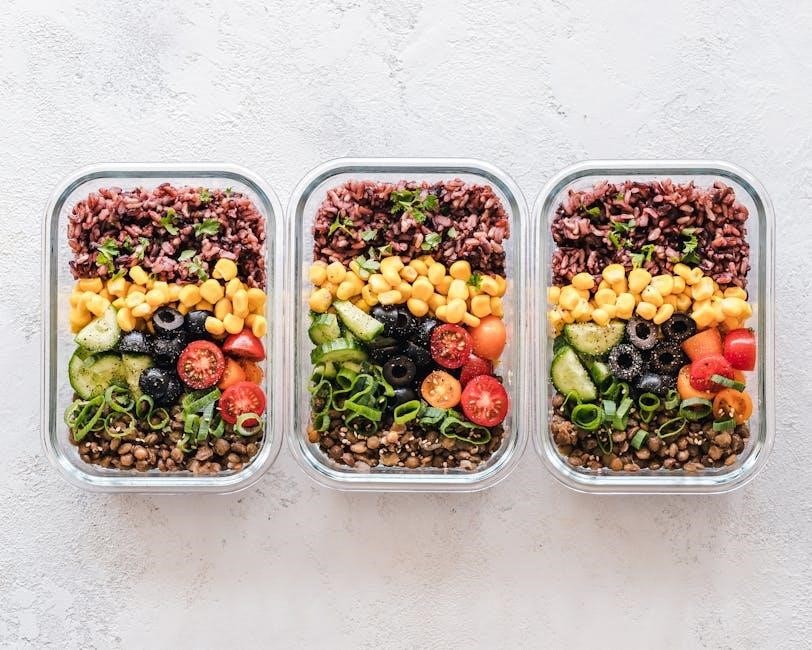
While not entirely eliminated, carbohydrates are restricted to non-starchy vegetables, minimizing insulin spikes and encouraging fat burning. The PDF should detail acceptable carb sources and portion sizes.
This approach aims to stabilize blood sugar levels and reduce cravings. Understanding how carbohydrates impact your metabolism is key; the diet isn’t about deprivation, but strategic fuel selection for optimal energy and weight management, as detailed within the plan.
Protein Sources for Optimal Metabolism
A comprehensive metabolic diet meal plan PDF will prioritize lean protein sources to support muscle mass and boost metabolic rate. Protein is crucial, contributing roughly 40% of daily caloric intake alongside healthy fats.
Excellent choices include fish (salmon, tuna), poultry (chicken, turkey), lean beef, and eggs. The PDF should specify portion sizes based on individual metabolic rates and activity levels.
Adequate protein intake helps preserve lean muscle during weight loss, preventing metabolic slowdown. It also promotes satiety, reducing cravings and supporting adherence to the diet. The plan will likely exclude processed meats and focus on whole, unprocessed protein options for optimal results.
Healthy Fat Choices for the Metabolic Diet

A well-structured metabolic diet meal plan PDF emphasizes incorporating healthy fats, recognizing their vital role in hormone production and overall metabolic function. These fats contribute approximately 40% of daily calories, complementing protein intake.
Prioritize sources like avocados, olive oil, nuts (almonds, walnuts), and seeds (chia, flax). The PDF should detail appropriate serving sizes to maintain calorie targets. Avoid trans fats and limit saturated fats, focusing on monounsaturated and polyunsaturated varieties.
Healthy fats enhance satiety, support nutrient absorption, and contribute to sustained energy levels. The plan will likely exclude processed oils and fried foods, advocating for whole-food fat sources for optimal metabolic health and weight management.
Importance of Hydration & Electrolytes

A comprehensive metabolic diet meal plan PDF will underscore the critical importance of adequate hydration and electrolyte balance. The diet’s initial phases can lead to increased water loss, necessitating a higher fluid intake – aiming for at least eight glasses daily.

Electrolytes, such as sodium, potassium, and magnesium, are crucial for nerve function, muscle contraction, and maintaining fluid balance. The PDF should advise on incorporating electrolyte-rich foods like leafy greens and avocados, or considering supplementation if needed.
Dehydration can hinder metabolic processes and cause fatigue. Proper hydration supports efficient calorie burning and overall well-being during the diet. Monitoring urine color can be a simple indicator of hydration status.
Supplements That May Support Metabolic Function
A well-structured metabolic diet meal plan PDF may suggest supplements to enhance results, though they aren’t strictly required. Chromium picolinate can improve insulin sensitivity, aiding carbohydrate metabolism. L-carnitine assists in transporting fatty acids for energy production, potentially boosting fat loss.
Vitamin D deficiency is common and can impact metabolism; supplementation may be beneficial, especially during winter months. Magnesium supports numerous enzymatic reactions involved in energy production. However, a PDF should emphasize consulting a healthcare professional before starting any supplement regimen.
Supplements should complement, not replace, a healthy diet. Prioritize whole foods and address any nutritional deficiencies through diet first. The PDF should clearly state that supplement efficacy varies individually.
Potential Side Effects & How to Manage Them
A comprehensive metabolic diet meal plan PDF should address potential side effects. Initially, individuals may experience “keto flu” – fatigue, headache, nausea – due to carbohydrate restriction. Adequate hydration and electrolyte supplementation (sodium, potassium, magnesium) are crucial for mitigation.
Constipation is common due to reduced fiber intake; increasing non-starchy vegetable consumption and ensuring sufficient water intake can help. Some may experience muscle cramps, also linked to electrolyte imbalances. A PDF should advise listening to your body and adjusting intake accordingly.
Long-term adherence requires monitoring. If side effects persist or worsen, consulting a healthcare professional is essential. The PDF must emphasize that this diet isn’t suitable for everyone.
Finding & Utilizing Metabolic Diet Meal Plan PDFs
Numerous metabolic diet meal plan PDFs are available online, but discerning quality is vital. Reputable sources, like registered dietitians or healthcare professionals’ websites, offer more reliable plans. Beware of overly restrictive or unsustainable plans promising rapid results.
When selecting a PDF, ensure it details food lists, portion sizes, and meal timings. A good plan will also outline phase transitions and potential adjustments. Look for plans that emphasize whole, unprocessed foods and adequate hydration.
Utilizing a PDF effectively involves careful planning and preparation. Grocery shopping based on the plan and meal prepping are essential for success. Remember to personalize the plan based on individual needs and preferences.
Calculating Your Individual Metabolic Rate
Determining your basal metabolic rate (BMR) is crucial for tailoring the metabolic diet. Several online calculators estimate BMR based on age, sex, height, and weight. However, these are estimations; a more accurate assessment requires professional testing.
Your metabolic rate reflects how efficiently your body burns calories at rest. Factors like muscle mass, genetics, and activity level influence it. Increasing muscle mass boosts metabolism, while inactivity slows it down.
Understanding your BMR helps establish appropriate calorie targets for each phase of the diet. The PDF meal plan should be adjusted based on your calculated rate and activity level, ensuring sufficient energy while promoting fat loss.
Common Mistakes to Avoid on the Metabolic Diet
Successfully implementing a metabolic diet, guided by a PDF meal plan, requires diligence. A frequent error is inconsistent adherence to the allowed food list – even small deviations can hinder progress. Many underestimate the importance of hydration and electrolyte balance, leading to fatigue and plateaus.
Another common mistake is failing to adjust macronutrient ratios correctly during phase transitions. Ignoring portion sizes, even with approved foods, can stall fat loss. Overlooking hidden sugars in seemingly healthy foods is also problematic.
Finally, neglecting to monitor your metabolic rate and adjust calorie intake accordingly can limit results. Remember, the PDF is a guide; personalization is key for sustained energy and success.